6 Ways You Can Help Someone Cope with Adjustment Disorder


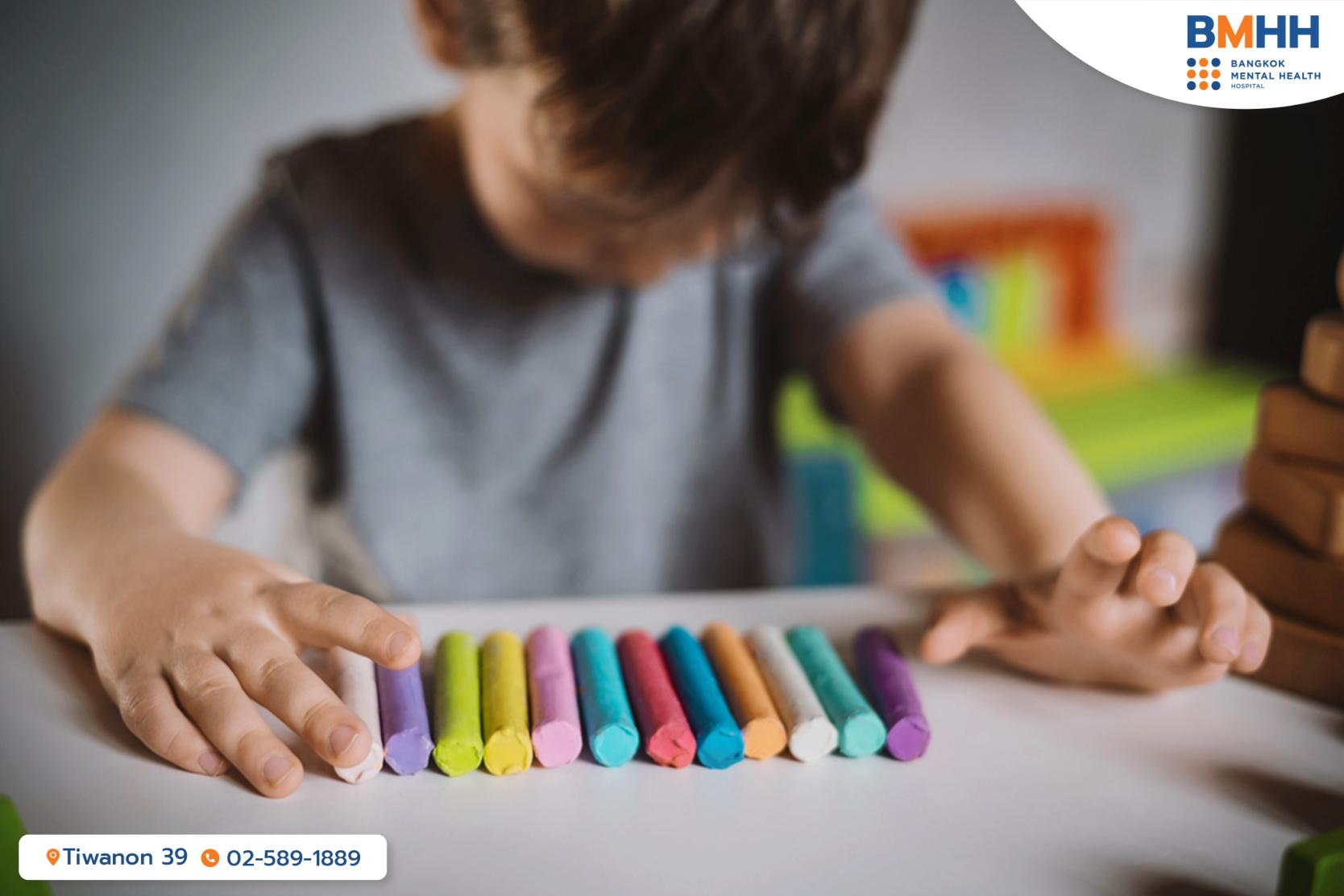
Adjustment disorder is a mental health condition that occurs when someone struggles emotionally or behaviorally after experiencing a stressful event. It can happen to anyone and often leads to feelings of sadness, anxiety, or an inability to cope with daily responsibilities. Life changes such as job loss, divorce, moving to a new place, or losing a loved one can trigger adjustment disorder, making even simple tasks feel overwhelming.
Recognizing the symptoms of adjustment disorder is key to offering support. People struggling with this condition may experience persistent sadness, withdrawal from social activities, difficulty concentrating, or even physical symptoms like headaches or digestive issues. If you know someone facing these challenges, your encouragement and support can be instrumental in their recovery.
Here are six ways you can help someone with an adjustment disorder:
1. Listen Without Judging
One of the most important things you can do is listen without making judgments. People experiencing adjustment disorder may feel isolated or misunderstood. When they open up about their struggles, let them express their feelings freely. Avoid dismissing their emotions or trying to offer quick solutions like “just be positive” or “it will pass.” Instead, acknowledge their pain and let them know that their feelings are valid. Being a compassionate listener can make them feel less alone in their journey and is one of the best ways to help someone with an adjustment disorder.
2. Promote Routine
A structured routine can help create a sense of stability and control, which is crucial for someone dealing with adjustment disorder. Encouraging them to maintain a daily schedule – such as consistent meal times, sleep patterns, and small, manageable tasks – can provide a comforting rhythm to their day. If they struggle to establish a routine, offer to help them plan simple activities, like setting a morning routine or scheduling time for relaxation. This predictability can ease stress and bring a comforting rhythm to daily life. create a feeling of normalcy.
3. Support Physical Activity
Exercise is a powerful tool for managing stress, anxiety, and depression. Physical activity releases endorphins, which naturally boost mood and reduce tension. Encourage your loved one to engage in activities that suit their comfort level, whether it’s walking, stretching, yoga, or dancing. If they find it difficult to get started, offer to join them for a short walk or a workout session. Even small amounts of movement can significantly improve emotional well-being and is one of the best ways to support someone with an adjustment disorder.
4. Teach Coping Strategies
Learning effective coping techniques can help someone navigate the emotional challenges of adjustment disorder. Encourage them to practice mindfulness, deep breathing exercises, or journaling to process their thoughts. Engaging in hobbies like painting, playing an instrument, or gardening can also serve as a healthy outlet for emotions. Help them reframe negative thoughts and focus on self-compassion. Sometimes, having someone to explore these strategies with can make a big difference.
5. Be Patient and Supportive

Recovery from adjustment disorder takes time, and everyone heals at their own pace. It’s important to be patient and avoid pushing them to “snap out of it” or move on too quickly. Small improvements may take time, and setbacks can happen. Continue offering emotional support, check in on them regularly, and remind them that they are not alone. Even on days when they struggle to see progress, your unwavering presence can provide reassurance.
6. Encourage Seeking Professional Help
While support from friends and family is valuable, professional guidance is often necessary for effective treatment. If symptoms persist or worsen, encourage your loved one to seek help from a mental health professional. Therapy, counseling, or medication may be beneficial depending on their specific needs.
Bangkok Mental Health Hospital offers specialized treatment for adjustment disorder. Our experienced team of psychiatrists, psychologists, and therapists provide compassionate and personalized care, helping individuals regain emotional balance. From therapy sessions to holistic mental health programs, we offer comprehensive support for those in need.
Seeking Help is a Sign of Strength
If you or someone you love is struggling with an adjustment disorder, remember that support is available. Recovery is possible with the right coping strategies, encouragement, and professional guidance. Contact Bangkok Mental Health Hospital today for a consultation and take the first step toward healing.
Related Articles

How to Get Over Post Vacation Blues
Transitioning from a relaxing getaway back to your everyday reality can be surprisingly tough. If you’re feeling down, tired, or anxious about returning to your daily grind, you are definitely not alone. It is completely normal to feel a drop in mood after a great trip, but learning how to get over post vacation blues […]

Why Am I Always Zoning Out? A Complete Guide to Regaining Your Focus
If you find yourself constantly zoning out, you might feel frustrated or even worried about your cognitive health. While spacing out is incredibly common, understanding the root causes can empower you to stay present. This guide from BMHH will explore why you keep zoning out, how it impacts your brain, and practical ways to anchor […]

The Truth About Pathological Lying: Decoding Chronic Dishonesty
We have all told a little white lie to spare someone’s feelings or dodge an awkward situation. But when lying becomes a frequent, unstoppable habit that causes problems in daily life, it might be something more serious. If you have ever crossed paths with someone who constantly twists the truth for no apparent reason, you […]
Talk to Doctor
Call Us
Line BMHH