Gaming Addiction: Recognizing the Signs and Seeking Help


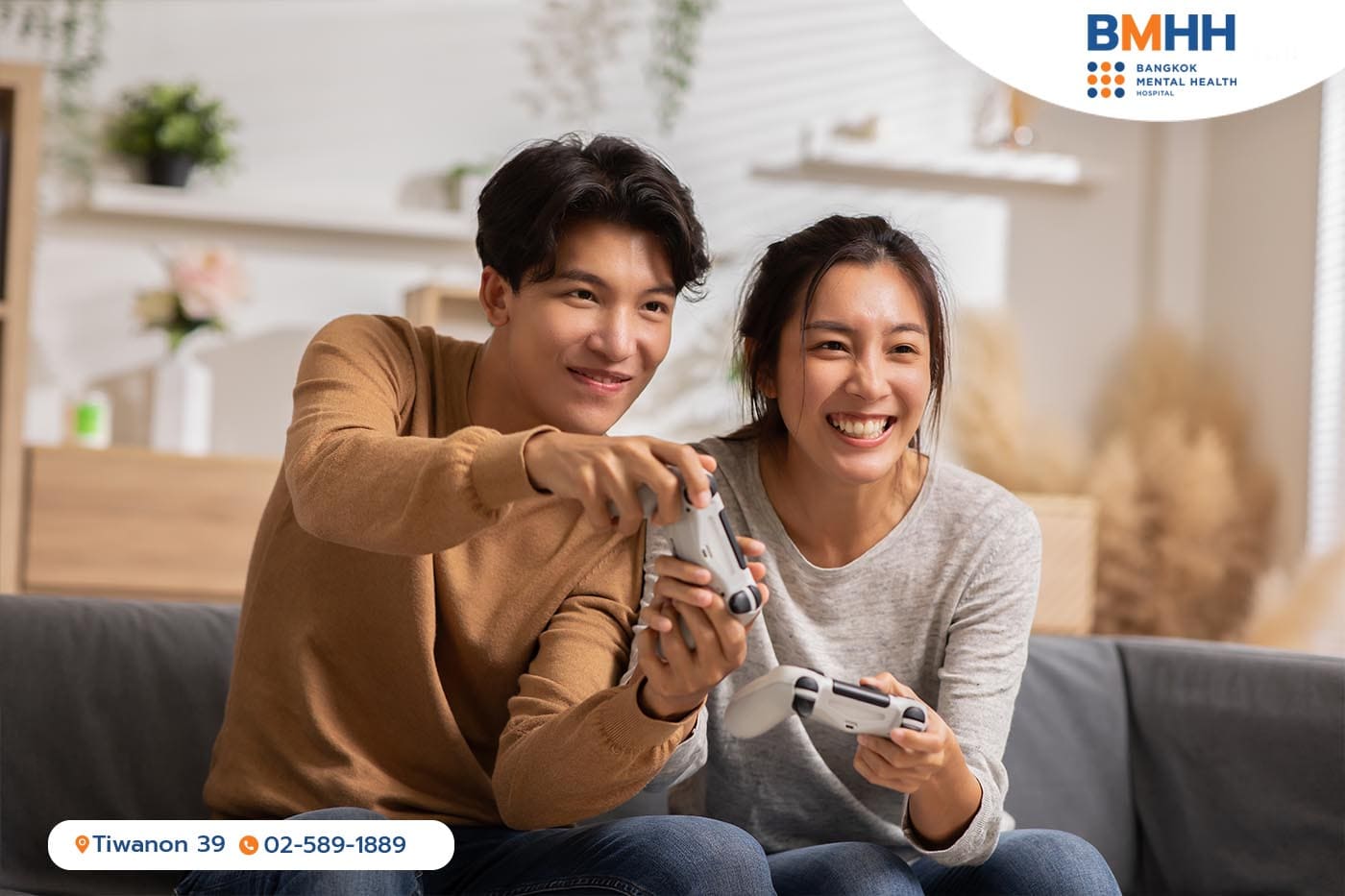
In today’s world, video games have become a popular pastime for people of all ages. While gaming can be a fun and engaging activity, it can also lead to addiction, particularly if left unchecked. This addiction can manifest in both children and adults, negatively impacting their health, school or work performance, and social lives.
Identifying the Signs of Gaming Addiction
Pay close attention to these common signs that may indicate gaming addiction:
- Constant Preoccupation with Games: You find yourself constantly thinking about games, even when not playing.
- Negative Emotions When Not Playing: Experiencing frustration, anxiety, or restlessness when unable to engage in gaming.
- Extended Gaming Sessions: Spending increasingly longer periods of time gaming, often for hours on end.
- Inability to Control Gaming: Trying to quit or reduce gaming but finding yourself drawn back in.
- Neglecting Other Activities: Losing interest in hobbies or activities you once enjoyed.
- Life Problems Due to Gaming: Experiencing issues in school, work, or family life due to excessive gaming.
- Playing Video Games Despite Issues: Playing video games despite being aware of their negative effects.
- Deception About Gaming: Lying to others about how much you play or downplaying the amount of time spent gaming.
- Using Games to Escape Stress: Relying on games as a way to cope with stress or problems in life.
Negative Effects of Gaming Addiction
Gaming addiction can have detrimental consequences on various aspects of life, including:
- Health Problems: Sleep deprivation, headaches, backaches, neck pain, dry eyes, wrist pain, skipping meals, neglecting personal hygiene.
- School/Work Problems: Poor academic performance, missed deadlines, lack of focus due to fatigue from excessive gaming.
- Social Problems: Ignoring family and friends, neglecting responsibilities, having arguments with loved ones.
Seeking Professional Help
If you or someone you know exhibits these signs of gaming addiction, it’s crucial to seek professional help from a mental health professional. They can provide guidance and support, such as:
- Cognitive Behavioral Therapy (CBT): A therapist can help individuals change their thinking and behavior patterns regarding gaming, develop healthy coping mechanisms for stress, and find alternative activities.
- Medication: In some cases, medication may be prescribed to help manage the emotions associated with gaming addiction.
Remember: Overcoming gaming addiction takes dedication and effort. With proper support and a strong desire to change, you can break free from addiction and live a more balanced and fulfilling life.
Nattapach Lamliangpon, M.D.
Adult Psychiatrist
Related Articles

How to Get Over Post Vacation Blues
Transitioning from a relaxing getaway back to your everyday reality can be surprisingly tough. If you’re feeling down, tired, or anxious about returning to your daily grind, you are definitely not alone. It is completely normal to feel a drop in mood after a great trip, but learning how to get over post vacation blues […]

Why Am I Always Zoning Out? A Complete Guide to Regaining Your Focus
If you find yourself constantly zoning out, you might feel frustrated or even worried about your cognitive health. While spacing out is incredibly common, understanding the root causes can empower you to stay present. This guide from BMHH will explore why you keep zoning out, how it impacts your brain, and practical ways to anchor […]

The Truth About Pathological Lying: Decoding Chronic Dishonesty
We have all told a little white lie to spare someone’s feelings or dodge an awkward situation. But when lying becomes a frequent, unstoppable habit that causes problems in daily life, it might be something more serious. If you have ever crossed paths with someone who constantly twists the truth for no apparent reason, you […]
Talk to Doctor
Call Us
Line BMHH