Addiction


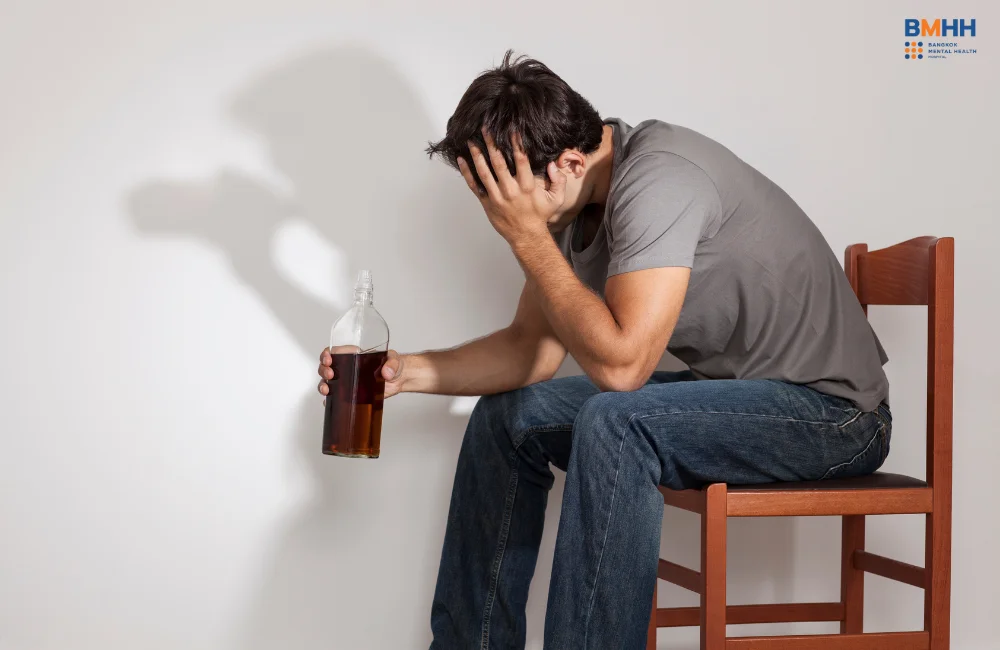
Addiction is a complex, chronic condition that can have a profound impact on every part of a person’s life, physically and mentally, their relationships, and their career. It’s not a matter of a lack of willpower or bad decisions. Instead, it is a disease that changes the brain’s chemistry. Seeking help as early as possible is crucial for a successful recovery.
What Is Addiction?
Addiction is a chronic condition characterized by the compulsive seeking and use of a substance or engagement in an activity, despite the harmful or negative consequences that follow. The core of addiction lies in changes to the brain’s reward system. Normally, healthy behaviors like eating or spending time with loved ones release dopamine, a chemical that produces feelings of pleasure. However, addictive substances and behaviors can cause a massive surge of dopamine, creating a powerful and unhealthy drive to repeat the behavior to chase that same feeling. Over time, the brain becomes desensitized, requiring more and more to achieve the same effect, which traps a person in a cycle they may feel helpless to escape.
Types of Addiction
Addictions can be broadly categorized into two main groups, each with its own set of characteristics and effects. While the specific behaviors differ, both types of addiction involve the same underlying brain changes and a compulsive drive to continue the habit. for instances,
Non-Substance Addictions
These are often called behavioral addictions and involve activities that stimulate the brain’s reward system, leading to a compulsive urge to engage in them.
- Gambling: The only non-substance addiction currently recognized as a diagnosable disorder. It involves a compulsive need to gamble, despite significant financial or personal harm.
- Internet/Video Gaming: Spending excessive amounts of time online or playing video games to the point where it interferes with daily responsibilities, relationships, and health.
- Shopping: A compulsive need to buy things, often driven by the “high” of the purchase, followed by feelings of guilt, shame, or despair.
- Sex or Pornography: Sexual behaviors that feel out of control, causing distress and negatively affecting a person’s life and relationships.
Substance Addictions
Also known as substance use disorders, these involve the compulsive use of a drug despite negative consequences. Addiction is the most severe type of a substance use disorder.
- Alcohol: The most common substance addiction, involving a physical and psychological dependence on alcohol.
- Opioids: Includes both prescription painkillers (like oxycodone) and illegal substances (like heroin), which can cause severe physical dependence and withdrawal symptoms.
- Tobacco/Nicotine: The addiction to nicotine found in cigarettes and other tobacco products, including e-cigarette or vape a habit that is often difficult to break due to physical and emotional dependence.
- Stimulants: Substances like cocaine and methamphetamine that increase alertness and energy, leading to a strong potential for addiction.
- Cannabis
Addiction Symptoms
The signs of addiction can vary depending on the substance or activity, but some common indicators are:
- Inability to stop: Continuing to use a substance or engage in a behavior despite repeated, unsuccessful attempts to cut back or quit.
- Increased tolerance: Needing more of the substance or activity over time to get the same feeling or effect.
- Intense focus: Becoming preoccupied with the substance or activity, spending a significant amount of time and energy craving, obtaining, and using it.
- Neglecting responsibilities: Failing to fulfill obligations at work, school, or home due to the addiction.
- Withdrawal symptoms: Experiencing physical or emotional distress, such as shaking, sweating, irritability, intense urges or anxiety, when trying to stop.
What Causes Addiction?
Addiction is a complex condition influenced by a combination of factors. The way addiction develops is often tied to changes in brain chemistry, but other elements also play a significant role.
1. Mental Health Conditions
There is a strong connection between addiction and other mental health disorders. Many people turn to substances or addictive behaviors as a way to cope with negative or maladaptive emotions or self-medicate the symptoms of an underlying condition however, it acts as an avoidance behavior which has long term problem word.
Bipolar Disorder
This condition is characterized by extreme shifts in mood, energy, and activity levels. People with bipolar disorder may use substances during manic phases to calm down or during depressive phases to feel more energetic, which can lead to a dual diagnosis of addiction.
Depression
A mood disorder that causes a persistent feeling of sadness and loss of interest. Individuals with depression may use drugs or alcohol to try and numb their emotional pain or temporarily escape from their feelings, making them highly susceptible to developing an addiction.
PTSD
Post-Traumatic Stress Disorder can develop after a person experiences a traumatic event. The intense anxiety, flashbacks, and emotional numbing associated with PTSD can lead individuals to self-medicate with substances, which can quickly spiral into addiction.
2. Genetics
Scientific studies show that genetic factors account for a significant portion of a person’s vulnerability to developing addiction.
- Family History: Having a close family member (like a biological parent or sibling) with an addiction can increase one’s own risk.
- Specific Genes: Scientists are actively researching specific genes that may make a person more susceptible to the brain chemistry changes associated with addiction.
3. Environmental Factors
A person’s environment and life experiences can also greatly influence their risk of addiction.
- Access to Substances: Easy access to drugs or alcohol is a major risk factor. This can include being exposed to substance use by family members or peers.
- Adverse Childhood Experiences (ACEs): Traumatic or stressful events during childhood, such as abuse or neglect, are strongly linked to the development of addiction later in life.
Addiction Treatment
Addiction is a treatable disease, and a combination of approaches is often the most effective way to manage it.
Psychotherapy
Also known as talk therapy, this is a cornerstone of addiction treatment. therapy modalitieslike Cognitive Behavioral Therapy (CBT) help individuals identify and change the thought patterns and behaviors that contribute to their addiction. It helps them develop healthy coping mechanisms and relapse prevention skills acceptance and commitment Therapy(ACT), Dialectical Behavior Therapy(DBT).
Rehabilitation
Rehab facilities, whether inpatient or outpatient, provide a structured environment for recovery. They offer a range of services, including counseling, education, and support, to help people manage their addiction and learn to live a healthier life. This is also known as sober living or residential treatment.
Support Groups
Support groups provide a powerful sense of community and ongoing support. Members share their experiences and help each other stay on track with their recovery, reminding them that they are not alone in their struggle.
Medications
In some cases, medication can be a helpful part of a treatment plan. Certain drugs can help reduce cravings, manage withdrawal symptoms, or treat co-occurring mental health conditions like depression or bipolar disorder, which can make recovery more manageable.
Compassionate Care at Bangkok Mental Health Hospital
If you or a loved one is struggling with addiction, know that help is available. At Bangkok Mental Health Hospital (BMHH), we provide compassionate, evidence-based care to help individuals on their journey to recovery. Our dedicated team of professionals offers personalized mental therapy to address the root causes of addiction and empower you to build a healthier, more fulfilling life.
Contact Bangkok Mental Health Hospital today.
- Phone: 02-589-1889
- Line: @bmhh
- Mail: [email protected]
- Location: Bangkok Mental Health Hospital
Article By
Jiradech Namsrisarn
Clinical Psychology
Bangkok Mental Health Hospital (BMHH)
Related Articles

How to Get Over Post Vacation Blues
Transitioning from a relaxing getaway back to your everyday reality can be surprisingly tough. If you’re feeling down, tired, or anxious about returning to your daily grind, you are definitely not alone. It is completely normal to feel a drop in mood after a great trip, but learning how to get over post vacation blues […]

Why Am I Always Zoning Out? A Complete Guide to Regaining Your Focus
If you find yourself constantly zoning out, you might feel frustrated or even worried about your cognitive health. While spacing out is incredibly common, understanding the root causes can empower you to stay present. This guide from BMHH will explore why you keep zoning out, how it impacts your brain, and practical ways to anchor […]

The Truth About Pathological Lying: Decoding Chronic Dishonesty
We have all told a little white lie to spare someone’s feelings or dodge an awkward situation. But when lying becomes a frequent, unstoppable habit that causes problems in daily life, it might be something more serious. If you have ever crossed paths with someone who constantly twists the truth for no apparent reason, you […]
Talk to Doctor
Call Us
Line BMHH