A Practical Guide to Managing ADHD for Adults


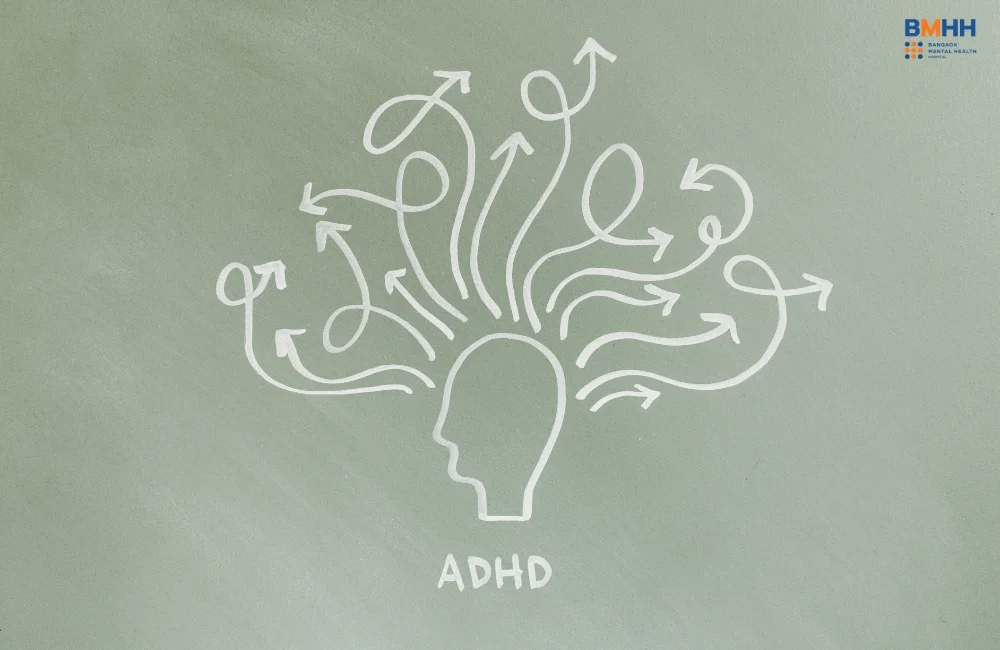
If you’re one of the millions of adults quietly wrestling with Attention-Deficit/Hyperactivity Disorder (ADHD), you know the daily struggle: distractions seem to multiply, tasks pile up, and simply staying organized feels like a heroic effort. The truth is, you’re not lazy or unmotivated; you have a unique brain that processes information differently.
Learning how to manage ADHD is a process of developing skills and systems that work with your brain, not against it. With the right strategies and support, you can significantly increase your focus, productivity, and overall sense of control. This guide offers practical tips for adults with ADHD to help you move from chaos to calm.
Self-Help Tips for Adults with ADHD

Empowerment starts with action. These simple, effective behavioral strategies are some of the best tips for adults with ADHD to put into practice immediately. They are the essential building blocks for learning how to manage ADHD effectively in your day-to-day life.
1. Break Down Overwhelming Tasks
Large projects can trigger “task paralysis,” making it hard to even begin. To overcome this, use the power of tiny steps. Instead of seeing one daunting task like “Clean the Garage,” break it into a detailed checklist of smaller, clear actions: “Put away tools,” “Sort recycling box,” “Sweep the floor.” By focusing on one small step at a time, you build momentum, and each completed item on your list provides a powerful sense of accomplishment, which is a key to learning how to manage ADHD and reduce overwhelm.
2. Consistent Routine
Routine provides a reliable framework for a brain that craves structure but struggles to create it. Establish consistent protocols for daily activities. For example, create a “launchpad” by the door for essential items like keys, wallet, and sunglasses, and make it a routine to drop them there the moment you walk in. Similarly, set specific days and times for chores like laundry and bill-paying. This predictability reduces the number of small decisions you have to make daily, freeing up mental energy for more challenging tasks.
3. Organize Your Space
A cluttered physical space often leads to a cluttered mind. To manage this, focus on creating a “home” for every item you own. For papers, this might mean a simple, labeled, and color-coded filing system. For your desk, it means dedicating a few minutes each day to clearing away unnecessary items. When you’re tackling a big cluttered area, focus on one small section at a time (e.g., one shelf or one drawer) to prevent the task from feeling too challenging. .
4. Tame Digital Distractions
In today’s world, digital alerts are some of the biggest obstacles for adults with ADHD. To improve your focus, you must intentionally minimize these diversions. When doing focused work, turn off all notifications on your phone and computer. Consider using noise-canceling headphones or playing instrumental music, which research suggests can help the ADHD brain stay on a linear path. By setting boundaries with technology, you are actively practicing how to manage ADHD in a modern environment.
5. Implement Time Management Techniques
Adults with ADHD often struggle with “time blindness”—the inability to accurately gauge how much time has passed or how long a task will take. To counter this, become a “clock-watcher.” Use visible clocks and set timers. The Pomodoro Technique (working in short, focused bursts, usually 25 minutes, followed by a short break) is an excellent time management tool that helps maintain focus and prevents hyperfocus from derailing your whole day. Additionally, when planning tasks, build in a “buffer” and give yourself more time than you think you’ll need.
Pathways to Effective Treatment

While self-help strategies are powerful tips for adults with ADHD, professional help is often a crucial part of a complete strategy for how to manage ADHD.
1. Medication
Medication is a highly effective part of their treatment plan. Stimulants, the most common type, work by increasing levels of certain brain chemicals like dopamine and norepinephrine, which play a role in attention and focus. Non-stimulant medications are also available. Finding the right medication and dosage is a personalized process that requires careful consultation with a healthcare professional.
2. Other Treatment Options
- Psychotherapy and Counseling: Talking with a professional can help you develop better coping skills, address co-occurring conditions like anxiety or depression, and improve relationships affected by ADHD symptoms.
- ADHD Coaching: A coach works with you to build personalized, practical strategies for organization, time management, and achieving goals, translating abstract tips for adults with ADHD into actionable daily habits.
- Mental therapy at Bangkok Mental Health Hospital (BMHH): BMHH offers specialized individual therapy options, including Cognitive Behavioral Therapy (CBT), Psychodynamic Therapy, and mindfulness-based therapies, offering paths to recovery.
Your First Step Towards a Balanced Life
Learning how to manage ADHD is a journey. It’s about being patient with yourself and consistently implementing the right tips for adults with ADHD. You are not alone, and your condition is highly manageable with the right tools and support. If you’re ready to take the next step and explore personalized professional care, consider reaching out.
Contact Bangkok Mental Health Hospital (BMHH) today to learn more about our individual therapy options and how our expert team can support your journey toward a more organized, focused, and fulfilling life.
- Phone: 02-589-1889
- Line: @bmhh
- Mail: [email protected]
- Location: Bangkok Mental Health Hospital
Frequently Asked Questions
1. Will I always suffer from the symptoms of ADHD?
No. While ADHD is a lifelong condition, the severity of symptoms can be significantly reduced through a combination of lifestyle changes, behavioral strategies, and professional treatment. As you build effective coping mechanisms, managing your symptoms becomes much easier.
2. Can I manage my ADHD without medication?
Yes, many people learn how to manage ADHD primarily through self-help strategies, therapy, and coaching. For others, a combination of medication and non-medication strategies is most effective. This decision is highly personal and should be discussed with a doctor or mental health professional.
3. Does having ADHD mean I’m lazy or unintelligent?
Absolutely not. ADHD is a neurodevelopmental disorder that affects executive functions, not intelligence or motivation. Adults with ADHD are often highly creative, intelligent, and capable; the disorder simply makes it difficult to apply those skills consistently without specific organizational and focusing strategies.
Article By
Pathamabhorn Thongsookdee, M.D.
Child and Adolescent Psychiatry
Bangkok Mental Health Hospital (BMHH)
Related Articles

How to Get Over Post Vacation Blues
Transitioning from a relaxing getaway back to your everyday reality can be surprisingly tough. If you’re feeling down, tired, or anxious about returning to your daily grind, you are definitely not alone. It is completely normal to feel a drop in mood after a great trip, but learning how to get over post vacation blues […]

Why Am I Always Zoning Out? A Complete Guide to Regaining Your Focus
If you find yourself constantly zoning out, you might feel frustrated or even worried about your cognitive health. While spacing out is incredibly common, understanding the root causes can empower you to stay present. This guide from BMHH will explore why you keep zoning out, how it impacts your brain, and practical ways to anchor […]

The Truth About Pathological Lying: Decoding Chronic Dishonesty
We have all told a little white lie to spare someone’s feelings or dodge an awkward situation. But when lying becomes a frequent, unstoppable habit that causes problems in daily life, it might be something more serious. If you have ever crossed paths with someone who constantly twists the truth for no apparent reason, you […]
Talk to Doctor
Call Us
Line BMHH