Social Media and Depression


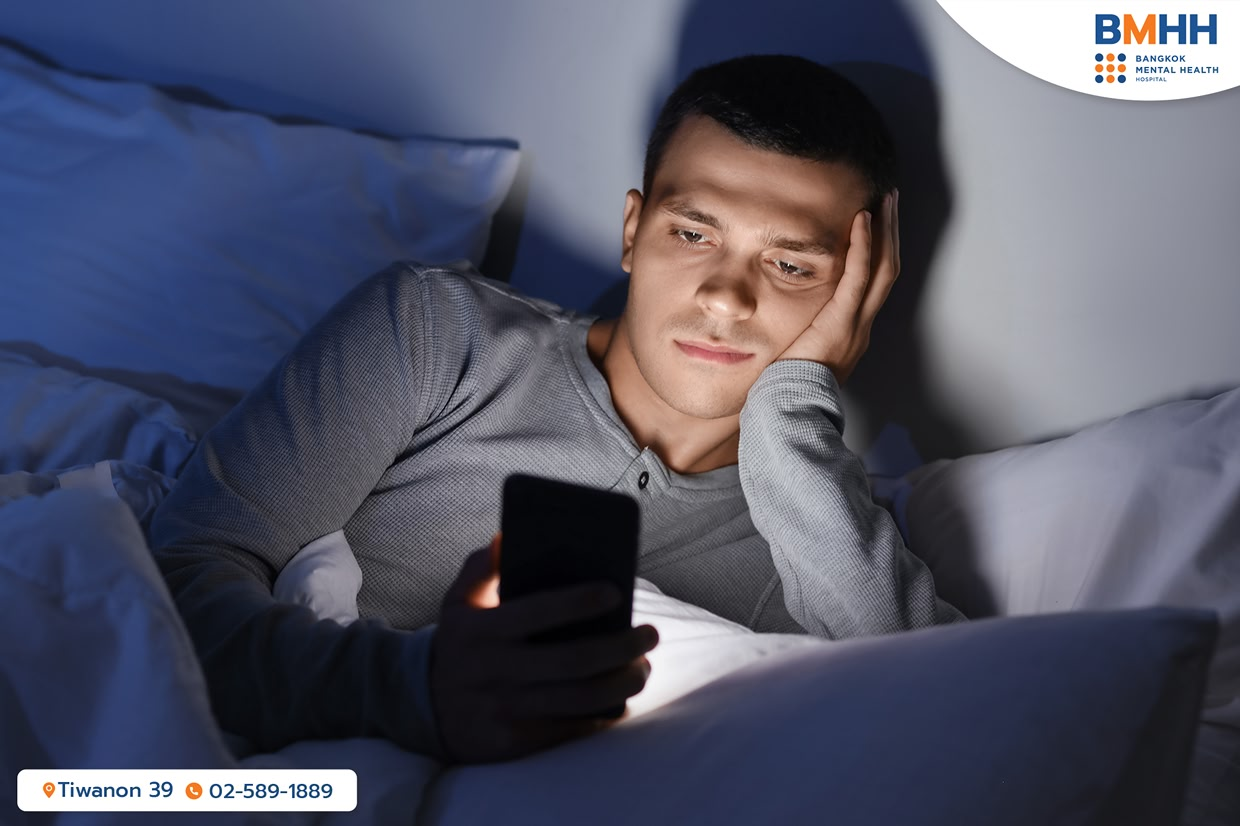
In today’s digital age, many people find themselves addicted to social media, driven by an unhealthy “FOMO” (fear of missing out). This constant need to stay connected can interfere with their ability to focus on studies, work, and engage meaningfully with those around them and it further has a profound impact on mental health, often leading to episodes of anxiety or depression.
Depression is one of the most common types of mental illness in the world today. People who are prone to depression can worsen their condition by constantly indulging their obsession with social media. Mental health researchers have connected depression and social media.
Social Damage
Instagram made headlines in 2023 when it began suppressing “likes” to curb the constant comparisons, approvals, and disapprovals of people’s posts. Meta, the site’s owners, tacitly acknowledged the mental damage and hurt feelings that these ratings could cause in their users. However, many mental healthcare workers feel that this helpful step doesn’t go far enough.
Social media is a public forum. And like all public forums, the sharing of feelings and opinions, both good and bad, is a large part of the daily discourse. However, social media can also be addicting for some people. People who are lonely, alienated, isolated or simply bored can develop an obsession where social media takes the place of real human interactions. Negative comments and reviews of posts can have devastating impacts on these people whose only form of social interaction and communication is through social media.
Negative Effects of Social Media
Many studies have been undertaken on the correlation between declining mental health and the preoccupation with social media in young people and adults. Social media’s faceless, physically-removed nature causes many users to post comments they would never say to someone in person. It creates a concentrated forum of posts that can seriously damage people who are already suffering from low-esteem issues or symptoms of depression.
Some of the other negative aspects of social media found in these studies include:
Disruption to Sleep
Social media never sleeps, and it can easily disrupt healthy sleep patterns for obsessive users. People prone to depression can also suffer sleepless nights worrying needlessly about hurtful comments that the poster likely gave little thought to. Those with insomnia due to depression can exacerbate their condition by dwelling on these negative thoughts.
Alienation
Various social media channels tend to favor one set of views over others. If a person finds themselves supporting the wrong set of views, they can be alienated by the rest of the group and be left out of conversations or have their posts ignored. This can be mentally destructive and hurtful to a person who has come to identify with this group of people and considers them to be friends.
Cyberbullying
The destructive social power of cyberbullying is frightening. Cyberbullying is the act of threatening someone’s physical being or reputation through social media. There have been more than a few reports of young people who have killed themselves because of the damage inflicted by cyberbullying.
Self-absorption

Many people live a different life on social media. They create a virtual character and become successful at attracting an audience through the character. However, there’s a danger of becoming self-absorbed by the “fame” of social media. If their character falls out of favor for some reason, it can destroy the person’s self-confidence, sense of worth and drive to succeed.
Regain Control Over Social Media
Regaining control over social media and your mental health can take some perseverance and discipline, but it can be worth it for the mental and physical benefits it can bring. Here are some tips for disengaging from social media.
- Don’t check your device at bedtime. Bedtime is for sleeping, not tossing, turning and worrying about some social media comment. Get a good night’s sleep and avoid dwelling on distressing content from social media.
- Do you need so many digital accounts? One of the first things to do when cutting down on time spent on social media is to concentrate your attention on the accounts you use the most and cancel the rest.
- Let them wait. Try to resist jumping for your device every time you receive a notification, and don’t be so quick to interrupt your real-life conversations and activities.
- Spend more time face-to-face. Make more human contacts. Have a cup of coffee, see a movie and enjoy human contact with your friends and family.
- Limit your exposure to troubling news. With the non-stop news cycle, sensitive and depression-prone people can become overwhelmed by the problems of the world. Limiting yourself or taking a break from constant negative information is perfectly okay.
Good Aspects of Social Media
Certainly, social media does have its positive aspects. The ability to stay in contact with friends and family, the chance to meet new people with similar interests, and the opportunity to raise awareness about important issues.
Contact Bangkok Mental Health Hospital (BMHH)
The key is to maintain a balanced approach to social media use, ensuring it doesn’t take over your life or negatively impact your family. Bangkok Mental Health Hospital is a facility offering depression treatment. We’ve seen the connection between depression and social media firsthand. Many people feel that a family member is spending too much time online. They need guidance on how to urge them to break their addiction. Contact Bangkok Mental Health Hospital to learn how to maintain a healthy social media balance.
Related Articles

How to Get Over Post Vacation Blues
Transitioning from a relaxing getaway back to your everyday reality can be surprisingly tough. If you’re feeling down, tired, or anxious about returning to your daily grind, you are definitely not alone. It is completely normal to feel a drop in mood after a great trip, but learning how to get over post vacation blues […]

Why Am I Always Zoning Out? A Complete Guide to Regaining Your Focus
If you find yourself constantly zoning out, you might feel frustrated or even worried about your cognitive health. While spacing out is incredibly common, understanding the root causes can empower you to stay present. This guide from BMHH will explore why you keep zoning out, how it impacts your brain, and practical ways to anchor […]

The Truth About Pathological Lying: Decoding Chronic Dishonesty
We have all told a little white lie to spare someone’s feelings or dodge an awkward situation. But when lying becomes a frequent, unstoppable habit that causes problems in daily life, it might be something more serious. If you have ever crossed paths with someone who constantly twists the truth for no apparent reason, you […]
Talk to Doctor
Call Us
Line BMHH