Schizoaffective Disorder


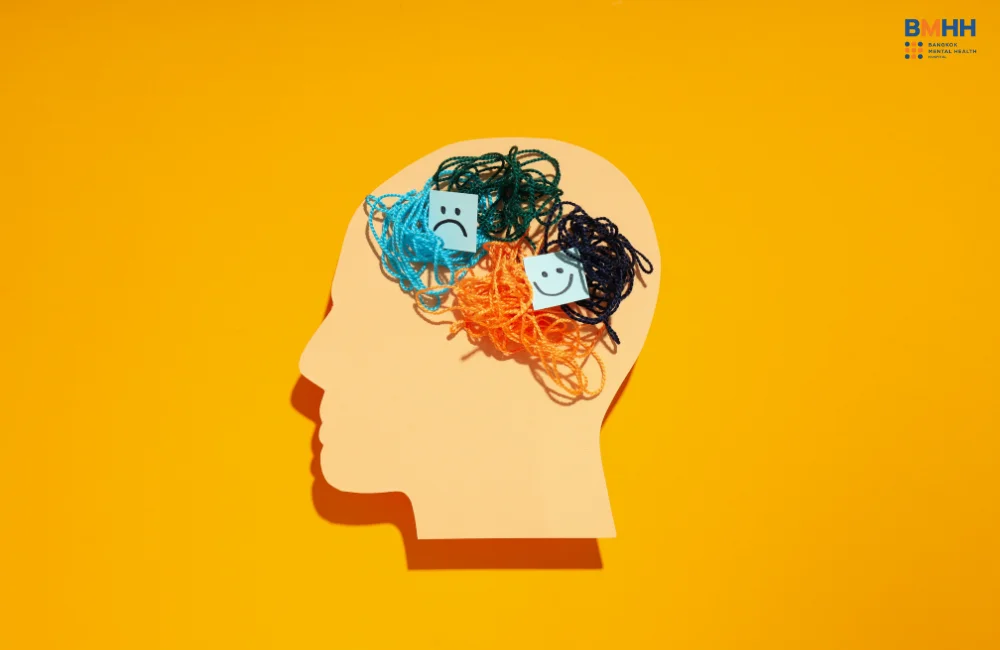
Schizoaffective disorder is a chronic mental health condition that combines symptoms of two distinct illnesses: schizophrenia and a mood disorder, like bipolar disorder or depression. People with schizoaffective disorder may experience psychosis as well as significant shifts in their mood. While this condition can be challenging to diagnose, with the right treatment plan, it can be effectively managed, helping individuals lead stable, fulfilling lives.
What Is Schizoaffective Disorder?
Schizoaffective disorder is a mental health condition that involves a blend of symptoms from schizophrenia and a major mood disorder. The “schizo” part of schizoaffective disorder refers to psychosis symptoms such as delusions or hallucinations. The “affective” part refers to mood symptoms, like those seen in depression or mania. Because the symptoms of schizoaffective disorder overlap with those of other conditions, getting an accurate diagnosis can be difficult. However, once a diagnosis is made, a personalized treatment plan can help manage symptoms and improve daily life.
What Are the Different Types of Schizoaffective Disorder?
Schizoaffective disorder is categorized into two main types based on the mood symptoms an individual experiences. An accurate diagnosis of the type of schizoaffective disorder is critical for determining the most effective treatment approach, as medications and therapies may differ depending on whether the primary mood component is depressive or bipolar.
Depressive Type
The depressive type of schizoaffective disorder is diagnosed when an individual experiences only symptoms of depression alongside their schizophrenia symptoms. This can manifest as persistent sadness, feelings of hopelessness, loss of interest in activities, fatigue, and difficulty with daily routines.
Bipolar Type
For the bipolar type of schizoaffective disorder, a person experiences periods of mania or hypomania, and may also have periods of depression. Mania can involve a state of heightened energy, racing thoughts, and impulsive behavior. These mood episodes occur alongside the symptoms of psychosis.
What Are the Symptoms of Schizoaffective Disorder?
Symptoms of schizoaffective disorder vary from person to person but typically include a combination of psychosis and mood-related symptoms.
- Hallucinations: Sensing things that aren’t there, such as hearing voices or seeing objects.
- Delusions: Holding false, fixed beliefs that are not based in reality and are resistant to contradictory evidence.
- Disorganized thinking: Jumping from one topic to another quickly or providing answers that are completely unrelated to the question.
- Depressed mood: Persistent feelings of sadness, emptiness, or worthlessness.
- Manic behavior: Periods of elevated mood, increased energy, racing thoughts, and a tendency toward risky behavior.
What Causes Schizoaffective Disorder?
The exact cause of schizoaffective disorder is unknown, but a combination of factors is believed to contribute to its development.
- Genetics: The disorder tends to run in families, suggesting a genetic link.
- Brain Structure: The differences in the size or structure of certain brain regions, like the hippocampus and thalamus, may be a contributing factor.
- Brain Chemistry: Abnormalities in neurotransmitters, such as dopamine and serotonin, may play a role.
- Environmental Triggers: Stressful life events or the use of psychoactive drugs may trigger the onset of the disorder in people who are genetically predisposed.
What Are Schizoaffective Disorder Risk Factors?
- Family History: Having a close biological relative, such as a sibling or parent, diagnosed with schizophrenia, bipolar disorder, or schizoaffective disorder.
- Highly Stressful Events: Major life stressors that can act as a catalyst for symptom onset.
- Substance Use: Utilizing psychoactive or mind-altering drugs, which can worsen symptoms in those already vulnerable to the condition.
What Are Schizoaffective Disorder Complications?
- Mental Health Struggles: Increased risk of anxiety disorders, suicidal ideation, or suicide attempts.
- Social and Personal Issues: Frequent interpersonal conflicts, family strain, and social isolation.
- Daily Living Challenges: Difficulties maintaining employment, experiencing poverty, or facing homelessness.
- Physical Health Risks: Higher incidence of obesity, stroke, and heart disease.
- Safety Concerns: Increased vulnerability to being assaulted or experiencing legal issues.
When to See a Doctor
If you notice persistent symptoms of psychosis or mood instability in yourself, it is essential to consult a healthcare professional immediately. Early intervention is key to managing the disorder effectively.
How Is Schizoaffective Disorder Diagnosed?
Diagnosing schizoaffective disorder can be difficult because its symptoms mimic those of other mental illnesses. A mental health professional, such as a psychiatrist, typically makes the diagnosis by observing a person’s symptoms and comparing them to the criteria outlined in the Diagnostic and Statistical Manual of Mental Disorders (DSM-5). A key criterion for diagnosis is that the individual has experienced delusions or hallucinations for at least two weeks without the presence of a major mood episode, and that mood symptoms are present for a majority of the illness’s duration.
What Are the Treatment Options for Schizoaffective Disorder?
Treatment for schizoaffective disorder is most effective when it combines medication and psychotherapy. A comprehensive treatment plan helps manage symptoms, improve quality of life, and reduce the risk of relapse. Consistency in treatment, including adhering to medication schedules and attending therapy, is crucial for long-term stability.
Psychotherapy
Psychotherapy, or “talk therapy,” is a vital component of treatment. It helps individuals learn about their condition and develop skills to manage daily challenges.
- Cognitive Behavioral Therapy (CBT): This therapy helps individuals identify and change negative thought patterns and behaviors.
- Family-focused therapy: This approach educates families on the disorder and helps them learn how to support their loved one and improve communication.
- Skills training: Focuses on practical skills for daily living, such as financial management, personal hygiene, and social skills.
Medications
Medications are often the first line of treatment for schizoaffective disorder. A psychiatrist will determine the right combination of medicines based on the specific symptoms. Antipsychotic medications are used to manage psychosis, while mood stabilizers and antidepressants are prescribed to control manic and depressive episodes.
Advice for Parents and Friends
Supporting someone with schizoaffective disorder requires patience and active listening. While you cannot force a person to get help, you can provide a stable support system and assist them in finding a qualified psychiatrist or therapist. Educate yourself on the condition to better understand their behavior, and remain vigilant for signs of suicidal thoughts. If your loved one is in crisis, ensure they are not left alone and help them connect with the local emergency resources.
Specialized Mental Health Treatment in Bangkok
If you or a loved one are seeking comprehensive care for schizoaffective disorder, consider seeking specialized mental health therapy. Bangkok Mental Health Hospital offers expert mental health therapy and treatment for a variety of conditions. We provide specialized, evidence-based care tailored to individual needs, helping patients in Bangkok and the surrounding regions manage their symptoms and achieve a higher quality of life.
Contact Bangkok Mental Health Hospital today.
- Phone: 02-589-1889
- Line: @bmhh
- Mail: [email protected]
- Location: Bangkok Mental Health Hospital
Article by
Nattapach Lamliangpon, M.D.
Adult Psychiatry
Bangkok Mental Health Hospital (BMHH)
Related Articles

How to Get Over Post Vacation Blues
Transitioning from a relaxing getaway back to your everyday reality can be surprisingly tough. If you’re feeling down, tired, or anxious about returning to your daily grind, you are definitely not alone. It is completely normal to feel a drop in mood after a great trip, but learning how to get over post vacation blues […]

Why Am I Always Zoning Out? A Complete Guide to Regaining Your Focus
If you find yourself constantly zoning out, you might feel frustrated or even worried about your cognitive health. While spacing out is incredibly common, understanding the root causes can empower you to stay present. This guide from BMHH will explore why you keep zoning out, how it impacts your brain, and practical ways to anchor […]

The Truth About Pathological Lying: Decoding Chronic Dishonesty
We have all told a little white lie to spare someone’s feelings or dodge an awkward situation. But when lying becomes a frequent, unstoppable habit that causes problems in daily life, it might be something more serious. If you have ever crossed paths with someone who constantly twists the truth for no apparent reason, you […]
Talk to Doctor
Call Us
Line BMHH