7 Tips on How to Quit Gambling Successfully


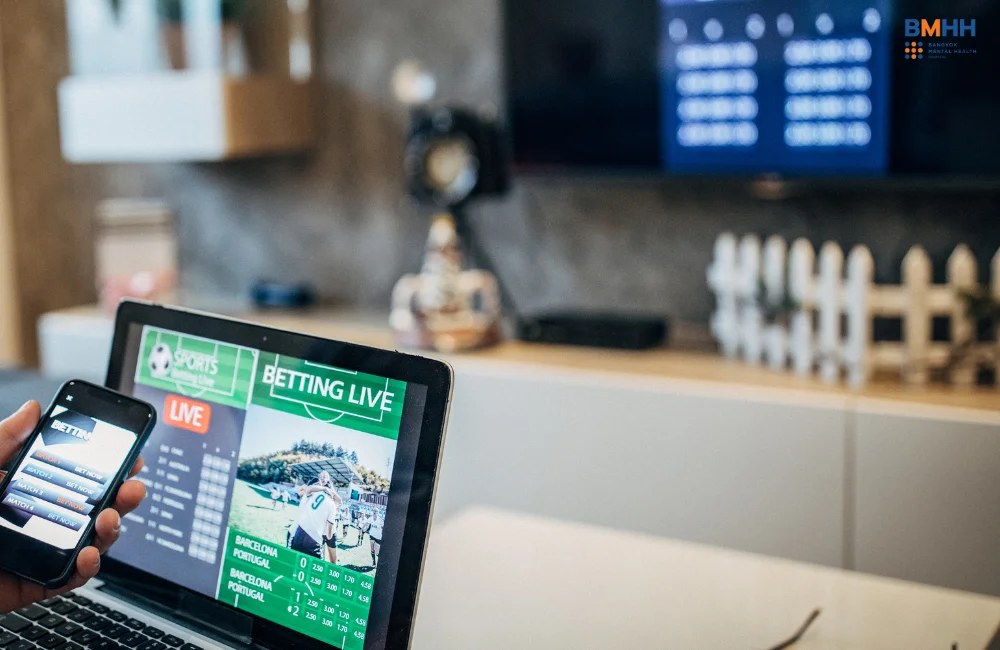
Struggling with a gambling problem can feel like being trapped in a cycle that never ends. Whether it’s sports betting, online casinos, or lottery games, the impact on your finances, relationships, and mental health can be devastating. However, recovery is possible. Learning how to quit gambling is a journey that requires patience, strategy, and the right support system.
What Are the 7 Warning Signs of Problem Gambling?
Before diving into the steps of how to quit gambling, it is important to recognize if your habits have crossed the line into a disorder.
- Chasing Losses: Constantly trying to win back money you have already lost.
- Increased Stakes: Needing to gamble with larger amounts of money to feel the same excitement.
- Preoccupation: Spending a significant amount of time planning bets or reliving past wins.
- Escapism: Using gambling as a way to avoid feelings of depression, anxiety, or stress.
- Lying to Loved Ones: Hiding the extent of your gambling or debts from family and friends.
- Failed Attempts to Stop: Making repeated, unsuccessful efforts to control, cut back, or stop gambling.
- Financial Strain: Borrowing money, selling assets, or facing legal trouble due to gambling debts.
How to Quit Gambling
Breaking free from a gambling habit involves a strategic shift in your environment and your mindset. Here’s what you can do:
1. Acknowledge the Issue
The first and most vital step in how to quit gambling is honesty. Acceptance means admitting that gambling is no longer a choice but a compulsive behavior that is harming your life. By “coming clean” to yourself and others, you release the heavy burden of secrecy. This acknowledgment creates the mental space necessary to build a recovery plan.
2. Identify Your Weak Spots
Understanding your triggers is essential to long-term success. For some, it is the boredom of a slow afternoon. For others, it is the stress of work or the influence of friends who also gamble. Keep a journal to track the thoughts and situations that lead to an urge. When you pinpoint these weak spots, you can develop specific strategies to navigate them without placing a bet.
3. Manage Inner Experiences
When the urge to gamble strikes, it often feels like an uncontrollable wave. Learning how to quit gambling involves “urge surfing”—recognizing that the craving is a temporary emotion that will eventually peak and subside. Practice mindfulness, deep breathing, or visualization techniques to stay calm. Remind yourself that a craving is not a command; you have the power to let it pass.
4. Think About the Good Side of Quitting
Motivation is fueled by focusing on what you gain rather than what you are giving up. Visualize a life where your salary stays in your bank account, your relationships are built on trust rather than lies, and your mental energy isn’t consumed by odds and point spreads. Focus on the peace of mind and the improved self-esteem that comes with being in control of your destiny.
5. Find New Things to Do
Gambling often fills a void left by boredom or a lack of excitement. To successfully learn how to quit gambling, you must fill that time with healthy alternatives. Rediscover old hobbies, start a fitness routine, or volunteer. Activities that provide a natural dopamine boost, such as exercises, can help rewire your brain’s reward system and reduce the desire for the “high” of a bet.
6. Avoid High-Risk Situations
In the early stages of recovery, willpower alone may not be enough. You must actively remove the opportunity to gamble. This includes taking alternate routes to avoid casinos, deleting betting apps, and asking a trusted person to manage your finances. By limiting your access to cash and gambling venues, you create a “safety buffer” that protects you when your resolve is tested.
7. Get Support from Friends, Family, and Groups
You do not have to do this alone. Sharing your struggle with supportive family members or joining groups provides accountability. Connecting with others who have faced similar challenges reminds you that recovery is possible. Having a “go-to” person to call when you feel an urge can make the difference between a relapse and a successful day of sobriety.
The Role of Professional Therapy in Recovery
While self-help strategies are powerful, gambling disorder is a complex brain condition that often requires clinical intervention. Many people gamble to self-medicate underlying issues like depression, ADHD, or trauma. Visiting a psychiatrist or therapist allows you to address these root causes through evidence-based treatments such as Cognitive Behavioral Therapy (CBT), which helps change the thought patterns leading to compulsive bets.
How to Get Professional Help for Gambling Addiction

Bangkok Mental Health Hospital (BMHH), a mental health hospital in Bangkok, offers specialized care for those struggling with addiction. Our comprehensive treatment programs include personalized counseling, family therapy, and medical support to help manage the stress of withdrawal. Our expert team utilizes modern psychiatric approaches to ensure you have the tools to rebuild your life.
If you are ready to learn how to quit gambling, our team is ready to help. Schedule a consultation with our specialized psychologist clinical in Bangkok at BMHH today to start your recovery journey.
Adjunct Assistant Professor Prakarn Thomyangkoon, M.D.
Adult Psychiatry – Bangkok Mental Health Hospital
- Phone: 02-589-1889
- Line: @bmhh
- Mail: [email protected]
- Location: https://maps.app.goo.gl/axUgCPmxmVn9HEPG7
- Frequently Asked Questions
1. What is gambling disorder?
Gambling disorder is a clinical diagnosis characterized by persistent and recurrent maladaptive gambling behavior that disrupts personal, family, or vocational pursuits. It is classified as an addictive disorder because it activates the brain’s reward system similarly to drugs or alcohol.
2. What is the best treatment for gambling addiction?
The most effective treatment is often a combination of Cognitive Behavioral Therapy (CBT), which challenges irrational beliefs like the “gambler’s fallacy,” and support groups. In some cases, medication may be prescribed to treat co-occurring conditions like anxiety or depression.
3. Does group therapy work for gambling addiction?
Yes. Group therapy and support networks are highly effective as they provide a non-judgmental environment, reduce feelings of isolation, and offer practical advice from peers who have successfully maintained long-term recovery.
Related Articles

How to Get Over Post Vacation Blues
Transitioning from a relaxing getaway back to your everyday reality can be surprisingly tough. If you’re feeling down, tired, or anxious about returning to your daily grind, you are definitely not alone. It is completely normal to feel a drop in mood after a great trip, but learning how to get over post vacation blues […]

Why Am I Always Zoning Out? A Complete Guide to Regaining Your Focus
If you find yourself constantly zoning out, you might feel frustrated or even worried about your cognitive health. While spacing out is incredibly common, understanding the root causes can empower you to stay present. This guide from BMHH will explore why you keep zoning out, how it impacts your brain, and practical ways to anchor […]

The Truth About Pathological Lying: Decoding Chronic Dishonesty
We have all told a little white lie to spare someone’s feelings or dodge an awkward situation. But when lying becomes a frequent, unstoppable habit that causes problems in daily life, it might be something more serious. If you have ever crossed paths with someone who constantly twists the truth for no apparent reason, you […]
Talk to Doctor
Call Us
Line BMHH