Political stress


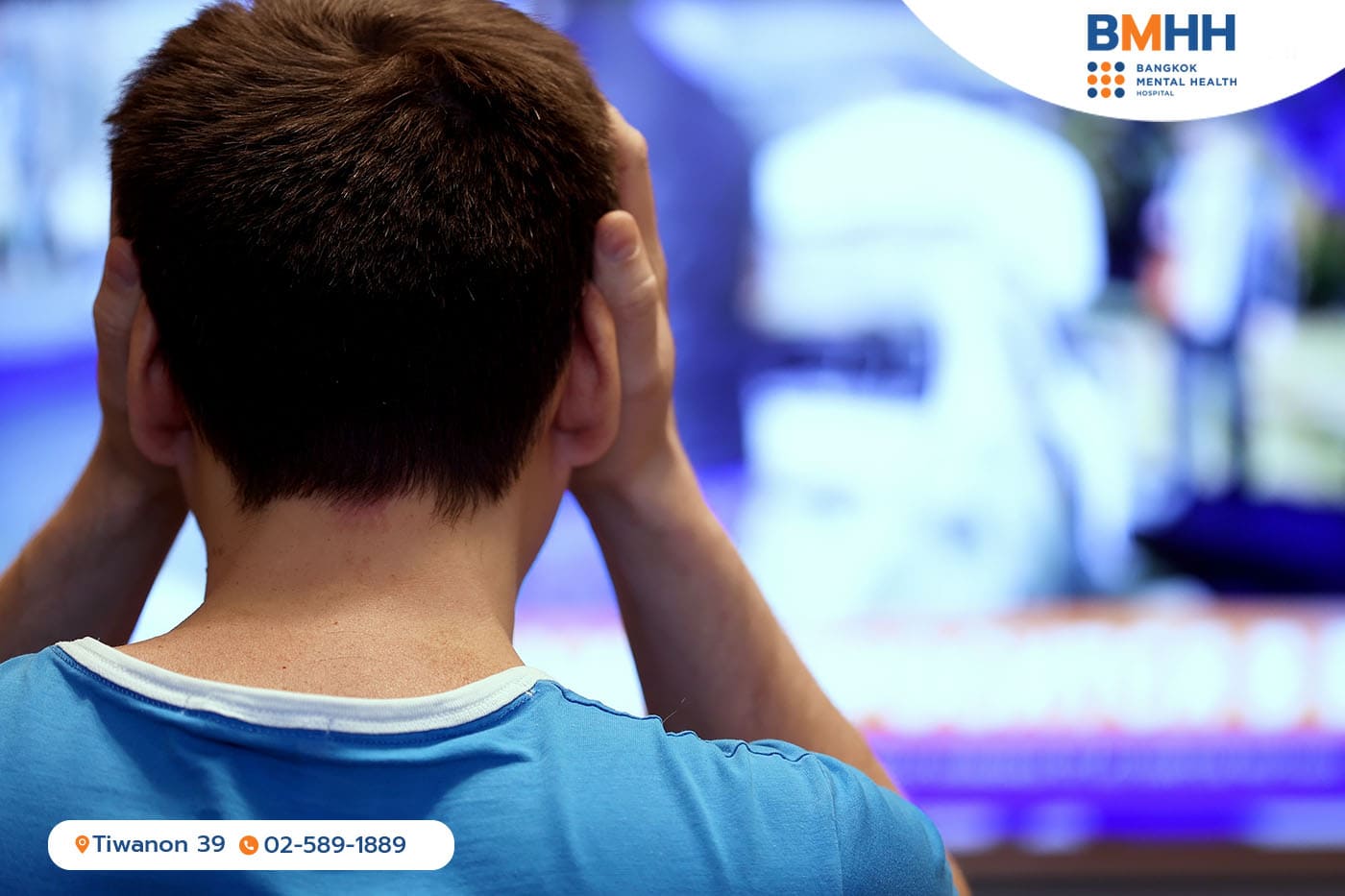
Political stress is unpredictable but tends to escalate during elections. Many may experience feelings of sadness, depression, and anxiety, perceiving societal division or facing violent situations. Discussing politics with those holding different views can lead to conflicts, increasing stress.
Signs of political stress:
- Higher than normal blood pressure
- Weight loss or gain
- Anxiety or stress
- Insomnia
- Physical symptoms such as digestive issues, headaches, and muscle pain
6 Ways to Reduce Political Stress:
- Limit news consumption: Set specific times for daily news consumption to avoid constant updates. Choose reliable sources or official government information. Prioritize positive news and limit exposure to social media.
- Be mindful of timing: Avoid discussing politics with sensitive individuals, like children or those easily anxious. Remember that others may have different perspectives within your family or friends.
- Practice active listening: Learn from diverse viewpoints. When engaging with opposing opinions, ask how they formed their views and why certain issues matter to them. Listening respectfully fosters understanding and reduces stress.
- Change the conversation: If conversations become stressful, switch topics or withdraw without contributing to negative discussions. Preserve relationships and protect your mental well-being.
- Assess your interest: Reflect on why politics matters to you. Determine your news consumption habits and feelings towards political developments. Some may engage due to family influence, a desire for societal change, or peer pressure.
- Self-care: Prioritize physical and mental well-being. Balance political awareness with activities that bring joy and reduce stress. Plan new, enjoyable activities to maintain a positive mindset amidst political challenges.
Political stress warning: “Be cautious, as politics may induce sadness.”
Political stress is often unpredictable but tends to intensify during election periods. Many may experience feelings of sadness, depression, and anxiety, stemming from perceptions of societal division or exposure to tense situations. Engaging in political discussions with those holding polar opposite views can lead to conflicts, further exacerbating stress.
Signs of political stress include:
- Elevated blood pressure.
- Weight fluctuations.
- Anxiety or heightened stress levels.
- Insomnia.
- Physical symptoms such as digestive issues, headaches, and muscle pain.
To alleviate political stress, consider the following 6 strategies:
- Limit News Consumption: Establish specific times for daily news updates to avoid constant exposure. Choose reliable sources and official government information. Prioritise positive news and limit exposure to social media.
- Be Mindful of Timing: Refrain from discussing politics with sensitive individuals, such as children or those prone to anxiety. Acknowledge that others may have different perspectives
- Practise Active Listening: Embrace different viewpoints. When engaging with opposing opinions, ask how they came to their views and why certain issues matter to them. Listening respectfully fosters understanding and reduces stress.
- Divert the Conversation: If political discussions become stressful, shift the topic or disengage without contributing to negative discussions. It is important to try to Preserve relationships and safeguard your mental well-being.
- Assess Your Interest: Reflect on why politics matters to you. Examine your news consumption habits and evaluate your feelings towards political developments. Some people may start to realise that that they engage in political activities due to family influence, a desire for societal change, or peer pressure.
- Prioritise Self-Care: Emphasise both physical and mental well-being. Balance political awareness with activities that bring joy and reduce stress. Plan new, enjoyable activities to maintain a positive mindset amid political challenges.
Related Articles

How to Get Over Post Vacation Blues
Transitioning from a relaxing getaway back to your everyday reality can be surprisingly tough. If you’re feeling down, tired, or anxious about returning to your daily grind, you are definitely not alone. It is completely normal to feel a drop in mood after a great trip, but learning how to get over post vacation blues […]

Why Am I Always Zoning Out? A Complete Guide to Regaining Your Focus
If you find yourself constantly zoning out, you might feel frustrated or even worried about your cognitive health. While spacing out is incredibly common, understanding the root causes can empower you to stay present. This guide from BMHH will explore why you keep zoning out, how it impacts your brain, and practical ways to anchor […]

The Truth About Pathological Lying: Decoding Chronic Dishonesty
We have all told a little white lie to spare someone’s feelings or dodge an awkward situation. But when lying becomes a frequent, unstoppable habit that causes problems in daily life, it might be something more serious. If you have ever crossed paths with someone who constantly twists the truth for no apparent reason, you […]
Talk to Doctor
Call Us
Line BMHH