Post-Traumatic Stress Disorder (PTSD)


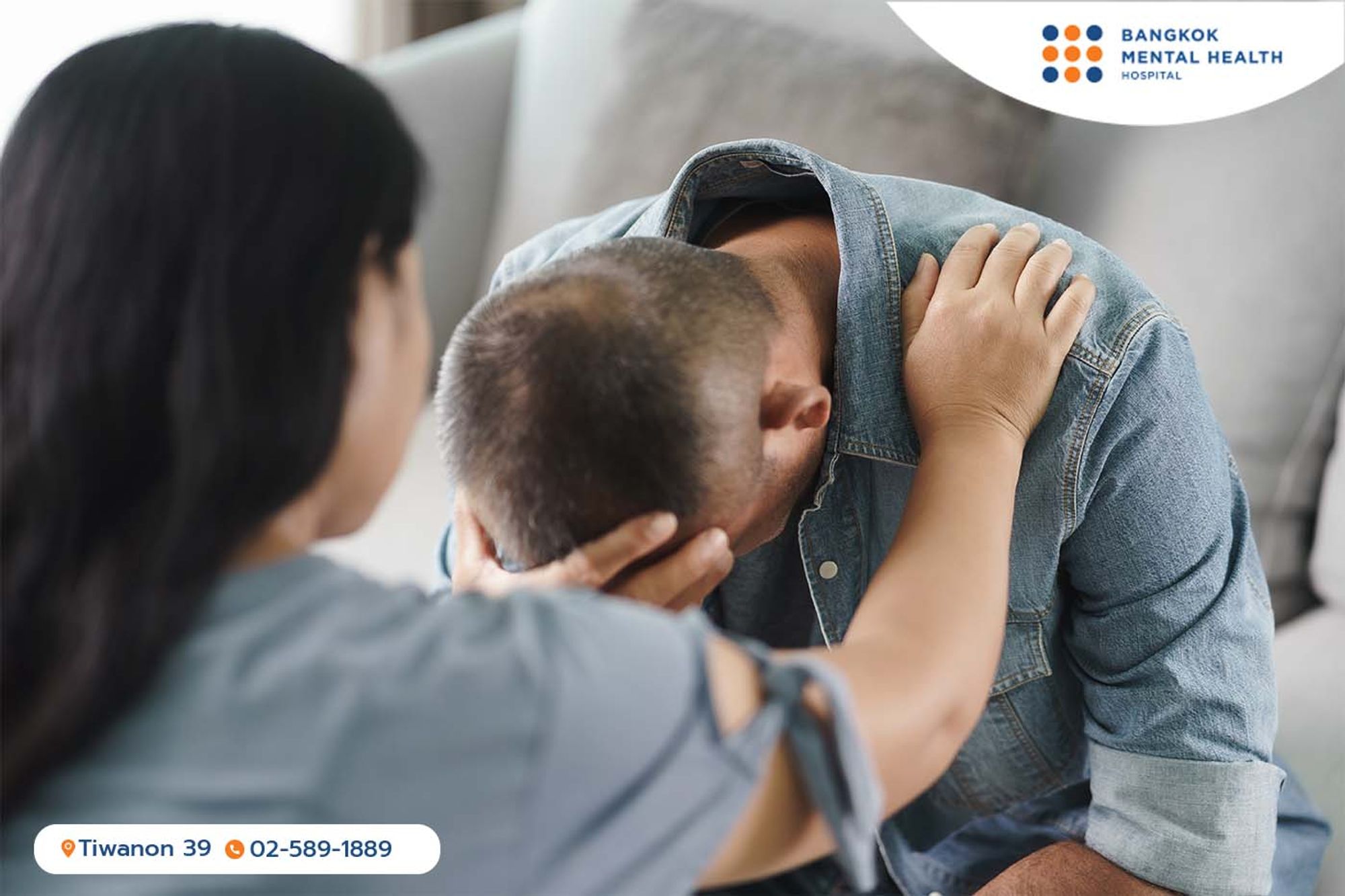
Post-traumatic stress disorder (PTSD), also known as acute stress disorder (ASD), is a condition that develops after exposure to a traumatic event. These events can include war, natural disasters, physical or sexual assault, serious accidents, or a diagnosis of a serious illness. PTSD manifests as specific mental health symptoms. Typically, symptoms appear soon after the traumatic event, with a higher prevalence among high-risk groups like soldiers in combat (around 8%). The general population experiences PTSD at a rate of 5-75%, with a higher incidence in early adulthood. Risk factors for developing PTSD include the severity, duration, and proximity of the traumatic event. Additionally, two-thirds of patients with PTSD may also have other mental health conditions, such as depression, bipolar disorder, substance abuse, or anxiety disorders.
Symptoms of PTSD
- Re-experiencing the frightening incident through flashbacks, nightmares, or intrusive thoughts.
- Avoiding reminders of the event, including people, places, conversations, activities, objects, or situations.
- Increased alertness, irritability, anger, or reckless behavior.
- Severe anxiety or fear.
- Feeling hopeless, numb, or detached from others.
- Difficulty concentrating or remembering things.
- Difficulty sleeping.
- Some patients may experience distortions in their perception of themselves or their surroundings, such as feeling like they are outside their bodies, feeling confused, or feeling like time is slowed down.
Diagnosis
Diagnosis of PTSD requires exposure to a life-threatening event, serious injury, or sexual assault, either directly experienced, witnessed, or learned about by a loved one. Additionally, the patient must exhibit symptoms related to the event, including intrusive memories, nightmares, feeling like the event is happening again, emotional distress, or physical reactions when encountering reminders of the event. The patient must also exhibit avoidance behaviors related to the event and have negative thoughts or feelings that developed after the event. These symptoms must persist for more than three days and cause significant distress or impairment in daily life.
Causes of PTSD
The causes of PTSD are complex and involve a combination of psychological and biological factors. Psychologically, when the subconscious mind is triggered by a traumatic event, it can lead to regressive behaviors and the use of unhealthy defense mechanisms, resulting in various symptoms. Additionally, patients may associate the traumatic event with any stimuli that remind them of it, leading to fear as if they are re-experiencing the event. Biologically, some studies suggest abnormalities in certain neurotransmitters or an overactive autonomic nervous system. Chronic stress can also damage brain cells, leading to shrinkage in certain brain regions.
Treatment
Treatment for PTSD typically involves a combination of medication and psychotherapy. Medications, primarily antidepressants, are used in similar dosages as for depression, with treatment lasting at least one year. Psychotherapy plays a crucial role in recovery. Cognitive-behavioral therapy (CBT) helps patients identify and modify negative thoughts and behaviors related to the trauma.
Treatment also emphasizes creating a supportive environment for healing. Therapists encourage and support patients to talk about their experiences and feelings related to the trauma, at their own pace and without going into excessive detail. Additionally, therapists teach coping skills and relaxation techniques to manage stress and anxiety. Enlisting the support of family members is also important to provide a strong support system for the patient. Other therapeutic approaches include eye movement desensitization and reprocessing (EMDR), which involves recalling the traumatic event while following the therapist’s moving fingers with their eyes, and exposure therapy, which gradually exposes the patient to situations that trigger their fear in a safe and controlled environment.
While managing the stress from a traumatic event can be a lengthy and challenging process, seeking professional help with a combination of medication and psychotherapy can significantly improve the quality of life for those with PTSD.
Nacharin Phiphopthatsanee, M.D.
Adult Psychiatrist
Related Articles

How to Get Over Post Vacation Blues
Transitioning from a relaxing getaway back to your everyday reality can be surprisingly tough. If you’re feeling down, tired, or anxious about returning to your daily grind, you are definitely not alone. It is completely normal to feel a drop in mood after a great trip, but learning how to get over post vacation blues […]

Why Am I Always Zoning Out? A Complete Guide to Regaining Your Focus
If you find yourself constantly zoning out, you might feel frustrated or even worried about your cognitive health. While spacing out is incredibly common, understanding the root causes can empower you to stay present. This guide from BMHH will explore why you keep zoning out, how it impacts your brain, and practical ways to anchor […]

The Truth About Pathological Lying: Decoding Chronic Dishonesty
We have all told a little white lie to spare someone’s feelings or dodge an awkward situation. But when lying becomes a frequent, unstoppable habit that causes problems in daily life, it might be something more serious. If you have ever crossed paths with someone who constantly twists the truth for no apparent reason, you […]
Talk to Doctor
Call Us
Line BMHH