Mental Health Overview


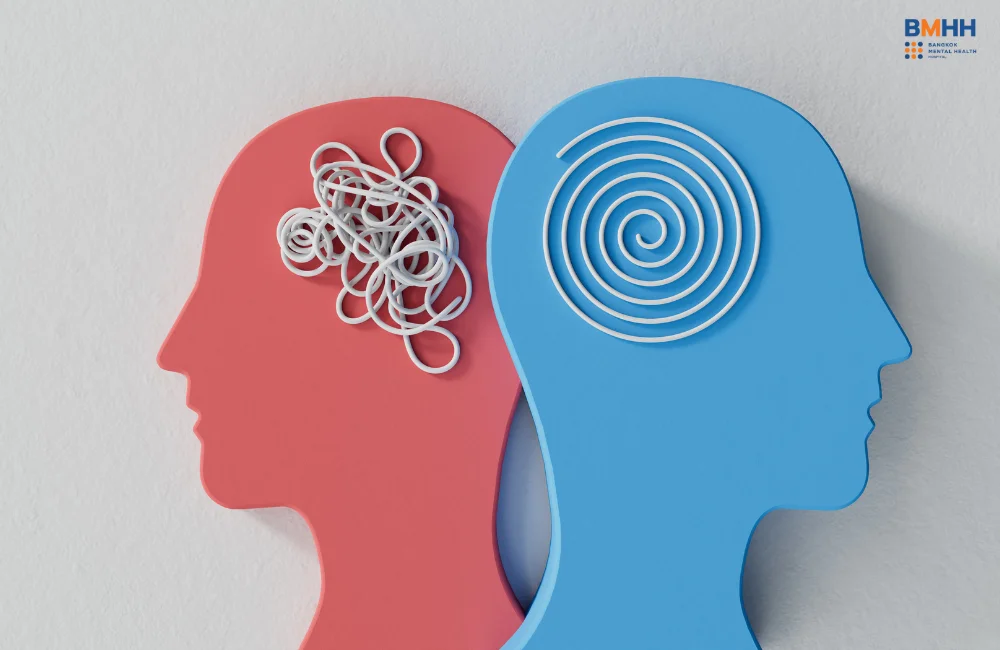
Mental health encompasses our emotional, psychological, and social well-being. It’s a crucial part of our overall health, influencing how we think, feel, and behave. It determines how we handle stress, relate to others, and make choices in our daily lives. Looking after our mental health is just as important as taking care of our physical health.
What Is Mental Health?
Mental health is a state of well-being that enables an individual to cope with the normal stresses of life, work productively, and contribute to their community. It’s more than just the absence of a mental illness; it’s about a person’s ability to live a full and balanced life. Factors like our socioeconomic status, childhood experiences, and genetics can all influence our mental well-being, and having a good support system is key to maintaining it.
Types of Mental Health Disorders
Here are some common mental health challenges people may experience:
Anxiety Disorders
These are the most common mental health disorders that involve intense, persistent fear or anxiety about specific situations or objects.
- Generalized Anxiety Disorder (GAD): Individuals with GAD experience excessive, ongoing worry or fear about everyday things that can disrupt their daily life.
- Obsessive-Compulsive Disorder (OCD): People with OCD have constant intrusire, distressing thoughts (obsessions) and feel an uncontrollable urge to perform repetitive actions (compulsions) to relieve their anxiety.
- Post-Traumatic Stress Disorder (PTSD): This condition can develop after a person experiences or witnesses a traumatic event, leading to flashbacks, nightmares hypervigilance, and severe anxiety that prevent individual to live their normal lives.
- Panic Disorder: This is characterized by sudden respated and unexpected, overwhelming panic attacks that can involve intense terror and physical symptoms like a racing heart and shortness of breath.
- Phobias: These are irrational fears of specific objects, situations, or animals. Examples include social phobia or social anxiety disorder (fear of social situations) and agoraphobia (fear of places where escape might be difficult).
Mood Disorders
Also known as affective disorders, these conditions are characterized by significant changes in a person’s mood, often involving periods of extreme happiness (mania) or sadness (depression).
- Bipolar Disorder: This disorder involves unusual shifts in mood, energy, and activity levels. People with bipolar disorder cycle between periods of high-energy “manic” phases and low-energy “depressive” phases.
- Major depressive disorder: A person with major depressive disorderexperiences a persistent low mood and a loss of interest in activities they once enjoyed. These feelings can be overwhelming and long-lasting.
- Seasonal Affective Disorder (SAD): A type of majordepressive disorder, SAD is triggered by reduced daylight, usually in the fall and winter months.
Schizophrenia spectrum and other psychotic disorder
This is a spectrum of complex disorders that affect a person’s ability to think clearly, feel normal emotions, and act appropriately. A person with schizophrenia may have fragmented thoughts and difficulty processing information. The condition includes “positive” symptoms like hallucinations and delusions, as well as “negative” symptoms such as social withdrawal and a lack of motivation.
Signs of Mental Health Issues
If you’re concerned about yourself or someone else, here are some possible signs to look out for:
- Withdrawing from friends, family, and social activities.
- Sleeping too much or too little.
- Changes in appetite or weight.
- Feeling hopeless or having consistently low energy.
- An inability to complete usual tasks or concentrate.
- Using substances like alcohol or nicotine more frequently.
- Having persistent negative thoughts or memories.
- Experiencing delusions, hallucinations, or hearing voices.
- Thinking of harming yourself or others.
Risk Factors
While anyone can develop a mental health disorder, certain factors can increase the risk.
- Childhood Trauma: Traumatic childhood experiences, such as abuse or parental loss, can significantly impact a child’s mental and physical health and make them more vulnerable to conditions like PTSD.
- Genetics: Family history and genetics can increase a person’s likelihood of developing a mental health condition. Chronic physical health problems like cancer or diabetes can also lead to mental health disorders like depression and anxiety.
- Socioeconomic Pressure: Limited financial resources or belonging to a marginalized group can increase the risk of mental health issues.
Mental Health Diagnosis
Diagnosing a mental health disorder is a multi-step process that often begins with a physical examination and lab tests to rule out any underlying medical conditions. A healthcare professional will then conduct a psychological evaluation, asking about a person’s symptoms and how they impact their life. They may also use questionnaires to understand a person’s thought patterns, feelings, and behaviors.
Mental Health Treatment
There are many different approaches to treating mental health conditions, and what works best is highly individual. Often, a combination of treatments is most effective. It’s crucial to work with a healthcare provider who can help you find a suitable treatment plan for your specific needs.
Psychotherapy
Mental therapy is a psychological approach to treatment. It can help people understand the the stotetheir mental health condition and develop effective coping strategies. Therapies like Cognitive Behavioral Therapy (CBT)interpersonal psychotherapy, and chen-center therapy are commonly used. Working with a professional can help individuals better manage their daily life and reduce feelings of isolation.
Medications
For some people, prescribed medications are an essential part of their treatment plan. While drugs like antidepressants, antipsychotics, and anti-anxiety medications can’t cure mental health disorders, they can significantly improve symptoms. They work by helping the brain manage chemicals like serotonin, which affect mood. This can make it easier for a person to manage their social interactions and daily routines.
Prevention
Here are some lifestyle changes that can help a person maintain their mental well-being and reduce the risk of mental health issues:
- Regular Exercise: Just 30 minutes of walking a day can boost your mood and improve your health.
- Balanced Diet and Hydration: Eating nutritious meals and drinking plenty of water can help maintain energy and focus throughout the day.
- Prioritize Sleep: Stick to a regular sleep schedule and make sure you’re getting enough rest.
- Practice Gratitude: Remind yourself daily of the things you’re grateful for, which can help focus on positivity.
- Stay Connected: Maintain meaningful relationships with friends and family to build a strong support network.
Mental Health Hospital in Bangkok
Bangkok Mental Health Hospital (BMHH) is committed to providing exceptional, evidence-based mental health care. Our team of skilled professionals offers a wide range of services, from psychotherapy to medication management, all within a supportive and confidential environment. We believe in a holistic approach, tailoring treatment plans to each individual’s unique needs to help them achieve lasting well-being. If you or a loved one are seeking quality mental health support, contact BMHH today to learn more about our services and begin your journey toward recovery.
Contact the Bangkok Mental Health Hospital today.
- Phone: 02-589-1889
- Line: @bmhh
- Mail: [email protected]
- Location: Bangkok Mental Health Hospital
Article By
Jiradech Namsrisarn
Clinical Psychology
Bangkok Mental Health Hospital (BMHH)
Related Articles

How to Get Over Post Vacation Blues
Transitioning from a relaxing getaway back to your everyday reality can be surprisingly tough. If you’re feeling down, tired, or anxious about returning to your daily grind, you are definitely not alone. It is completely normal to feel a drop in mood after a great trip, but learning how to get over post vacation blues […]

Why Am I Always Zoning Out? A Complete Guide to Regaining Your Focus
If you find yourself constantly zoning out, you might feel frustrated or even worried about your cognitive health. While spacing out is incredibly common, understanding the root causes can empower you to stay present. This guide from BMHH will explore why you keep zoning out, how it impacts your brain, and practical ways to anchor […]

The Truth About Pathological Lying: Decoding Chronic Dishonesty
We have all told a little white lie to spare someone’s feelings or dodge an awkward situation. But when lying becomes a frequent, unstoppable habit that causes problems in daily life, it might be something more serious. If you have ever crossed paths with someone who constantly twists the truth for no apparent reason, you […]
Talk to Doctor
Call Us
Line BMHH